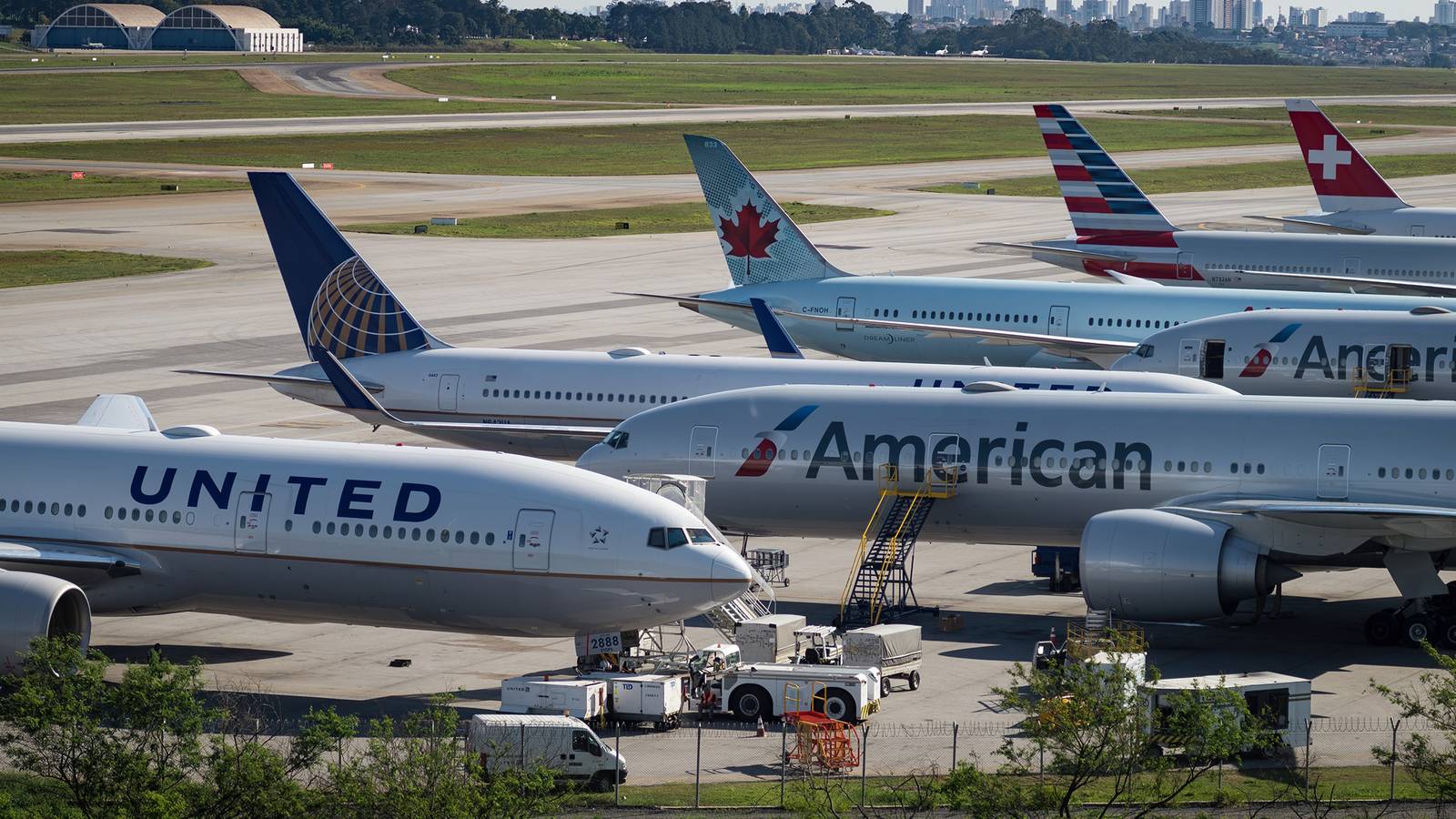
American Airlines' $100M Investment in Azul Awaits CADE Decision: A Strategic Move in Brazilian Skies
The landscape of international airline partnerships is witnessing a fascinating development in Brazil, centered around the dynamic growth of Azul S.A. Brazilian airline Azul has successfully emerged from Chapter 11 restructuring, a significant milestone that has simultaneously drawn in two major American rivals: United Airlines and American Airlines. While United's $100 million investment in Azul has already cleared regulatory hurdles, American Airlines' identical $100 million commitment to the Brazilian carrier now stands awaiting the crucial decision from Brazil's antitrust regulator, CADE (Administrative Council for Economic Defense). This regulatory nod is not merely a formality; it's the gateway to deeper collaboration, including a highly anticipated codeshare agreement that promises to redefine connectivity between the U.S. and Brazil. The unfolding story of **Azul American Airlines** collaboration is a testament to strategic maneuvering and a strong belief in Brazil's burgeoning aviation market.
The Strategic Chess Match: American Airlines' $100M Awaiting CADE Approval
American Airlines' proposed $100 million investment in Azul is a pivotal component of Azul's robust financial restructuring. This substantial capital infusion is set to secure American an equity stake in the Brazilian airline, offering a valuable foothold in one of the world's largest and most geographically diverse aviation markets. However, unlike United Airlines, whose equivalent investment received CADE approval on February 11th, American's proposal remains under review.
CADE, as Brazil's vigilant antitrust authority, plays a critical role in ensuring fair competition and preventing market monopolization. Their careful scrutiny of American's investment is crucial, especially given American Airlines' historical partnerships within the Brazilian market. While American was notably expected to back the restructuring of Azul's competitor, Gol, which ultimately did not materialize, regulators are likely assessing the broader competitive implications of this new alliance. The green light from CADE is not just about capital; it's about legitimizing a strategic partnership that CEO John Rodgerson confirmed would lead to a codeshare agreement similar to the one Azul currently enjoys with United. This **Azul American Airlines** codeshare would unlock immense potential for seamless travel and expanded networks for passengers across both continents.
Azul's Phoenix Moment: Emerging from Chapter 11 Stronger
Azul's successful exit from Chapter 11 restructuring on February 20, 2026, marks an extraordinary achievement, particularly given the challenging global aviation climate. Concluding the process in under nine months, the airline effectively shed approximately $2.5 billion in debt and lease obligations while raising an impressive $850 million in new investment. This financial maneuver, supported by the issuance of notes worth US$1.4 billion, has fundamentally transformed Azul's financial health.
The Brazilian carrier's proactive restructuring has resulted in a significantly strengthened capital structure, a substantial increase in cash reserves, and a dramatic reduction in indebtedness. CEO John Rodgerson aptly summarized the outcome, stating that Azul emerges with a robust balance sheet and the backing of "some of the most respected partners in global aviation." The participation of both American Airlines and United Airlines as investors is particularly noteworthy, granting these U.S. giants an invaluable equity stake and direct access to Brazil's vast domestic network. Operating 800 daily flights across 130 cities with 175 aircraft, Azul's reach within Brazil is unparalleled, making it an attractive partner for international carriers seeking to tap into the country's immense travel potential. This strategic investment positions Azul to compete even more fiercely in the Brazilian market against rivals like Gol and LATAM, leveraging newfound financial stability and powerful global alliances.
A Rare Alliance: American, United, and Azul
The scenario of rival U.S. carriers, American Airlines and United Airlines, each investing $100 million in the same foreign airline is indeed unusual and speaks volumes about Azul's strategic value and potential. This dual investment, while unique, underscores the critical importance of gaining a strong foothold in the Brazilian market for major global players. For American and United, these equity stakes offer not only financial returns but also strategic advantages, primarily securing access to Azul's extensive domestic network, which carries over 32 million passengers annually.
This dynamic is especially interesting considering American Airlines' past affiliations. There was widespread expectation that American would support Gol's restructuring, making its commitment to Azul a significant pivot. This shift highlights a calculated move by American Airlines to align with a partner demonstrating strong recovery and expansive domestic reach. For a deeper dive into this fascinating rivalry turning into a collaborative investment, explore our article:
Rival Carriers: American & United Airlines Invest in Azul's Future. The competitive landscape for transatlantic travel and within Brazil is undoubtedly being redrawn by these alliances.
The Future of Connectivity: Codeshares and Market Impact
The eventual approval of American Airlines' investment by CADE is expected to pave the way for a crucial codeshare agreement between **Azul American Airlines**. As Azul CEO John Rodgerson hinted, this partnership would mirror the successful codeshare currently in place with United, suggesting a comprehensive arrangement that benefits passengers and airlines alike.
For travelers, a codeshare means more than just shared routes; it translates into a seamless travel experience. Passengers can expect:
- Expanded Network Access: Travelers flying with American Airlines will gain direct access to Azul's vast network of over 130 Brazilian cities, offering far greater connectivity beyond major international gateways.
- Simplified Bookings: The ability to book flights on both airlines under a single itinerary, simplifying planning and potentially offering better pricing.
- Streamlined Connections: Easier transfers between flights, often with baggage checked through to the final destination.
- Loyalty Program Benefits: Potential for earning and redeeming miles across partner networks, enhancing the value of frequent flyer programs.
This strategic alliance allows American Airlines to leverage Azul's deep domestic penetration without the costly and complex process of establishing new routes or ground operations within Brazil. Conversely, Azul gains enhanced international exposure and connectivity for its passengers traveling to and from the United States. The ripple effect on the competitive landscape within Brazil will be significant, further solidifying Azul's position and providing robust international links. For more on the anticipated partnership, read:
Azul and American Airlines Codeshare Talks Advance Post-Chapter 11 Exit.
Understanding Brazil's Aviation Market Dynamics
Brazil's aviation market is a fascinating study in growth, challenge, and opportunity. Launched in São Paulo in 2008, Azul quickly established itself as the third-largest airline by offering lower fares and serving a wide array of domestic destinations, alongside select international routes to Argentina, Portugal, and the U.S. Its rapid expansion, however, came with its own set of challenges, including intense competition, rising operating costs, and a heavy debt load exacerbated by the pandemic and a weakening real.
The decision by both American and United to invest in Azul post-Chapter 11 underscores Brazil's enduring appeal. With its vast geography, large population, and growing middle class, Brazil represents a critical market for global aviation players. CADE's role in reviewing foreign investments in strategic sectors like aviation is crucial; they must balance the benefits of capital infusion and enhanced competition against potential market concentration concerns. The approval of such partnerships signals a healthy, albeit regulated, openness to foreign capital and expertise, ultimately benefiting Brazilian consumers through improved connectivity and service options.
The pending CADE decision on American Airlines' $100 million investment in Azul is a defining moment for the future of travel between the U.S. and Brazil. As Azul emerges from its financial restructuring with renewed vigor and formidable international backing, the potential for an **Azul American Airlines** codeshare promises to unlock unprecedented connectivity for passengers and strategic advantages for both carriers. This fascinating chapter in global aviation highlights not only Azul's resilience but also the enduring appeal of the Brazilian market for major international players, all under the watchful eye of antitrust regulators ensuring a competitive and dynamic sky.