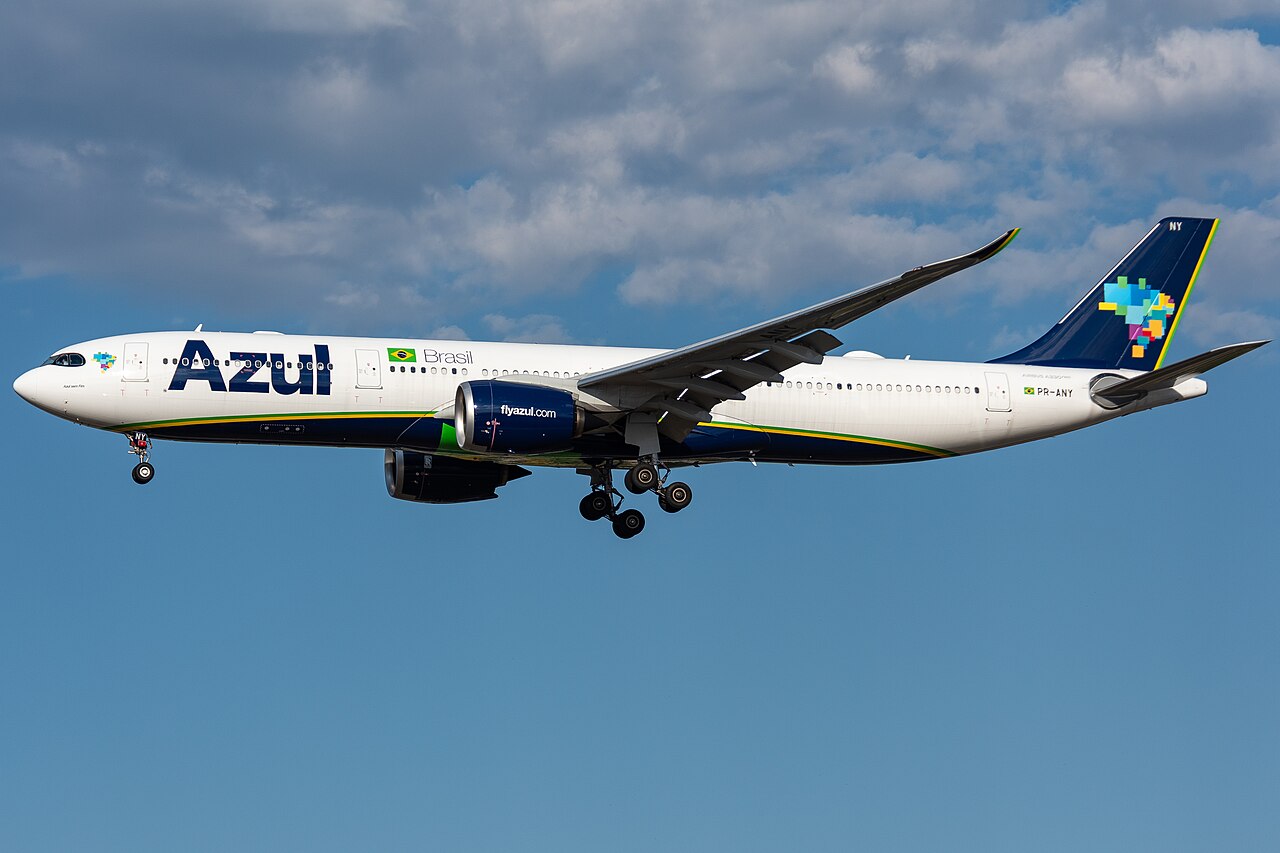
Rival Carriers Unite: American & United Airlines Chart a Shared Course in Azul's Future
In an unprecedented move that has sent ripples across the global aviation industry, two of America's fiercest airline rivals, American Airlines and United Airlines, have independently committed $100 million each to invest in Brazil's third-largest carrier, Azul. This dual investment, which was a pivotal component of Azul's successful exit from Chapter 11 restructuring, signals a fascinating new chapter in international airline alliances. It’s a strategic play that provides both U.S. giants a crucial foothold in the burgeoning South American market, fundamentally reshaping the competitive landscape and highlighting the immense value placed on Azul's extensive domestic network.
A Strategic Alliance Forged in Restructuring
Azul S.A., a dynamic airline launched from São Paulo in 2008, swiftly grew into a dominant player in the Brazilian domestic market, celebrated for its lower fares and extensive reach across 130 cities with 800 daily flights and a fleet of 175 aircraft. However, rapid expansion, coupled with pandemic-era losses, a weakening Brazilian Real, and a heavy debt load inflated by dollar-denominated leases, pushed the airline into Chapter 11 bankruptcy in May 2025. After months of intensive negotiations and a meticulous restructuring process, Azul officially emerged from Chapter 11 on February 20, 2026, marking a significant triumph in corporate resilience.
This successful exit was underpinned by a robust financial overhaul, including the issuance of notes worth US$1.4 billion, expertly handled by Pinheiro Neto Advogados. Azul managed to shed approximately $2.5 billion in debt and lease obligations while raising an impressive $850 million in new investment. Among the key investors were the rival U.S. carriers, American Airlines and United Airlines, each contributing $100 million in exchange for equity stakes. This injection of capital, alongside commitments from existing creditors, not only stabilized Azul's balance sheet but also positioned it for renewed growth, strengthening its capital structure and increasing its cash reserves. CEO John Rodgerson aptly summarized this achievement, stating the company emerges with "backing from some of the most respected partners in global aviation."
Why US Rivals Are Backing Brazil's Third-Largest Carrier
The decision by American Airlines and United Airlines to invest in the same Brazilian airline, especially considering their intense rivalry in the U.S. market, speaks volumes about the strategic importance of Azul and the Brazilian aviation sector. For both carriers, this isn't merely a financial investment; it's a calculated move to secure vital market access and future growth opportunities.
Brazil represents Latin America's largest economy and a significant travel market, carrying 32 million passengers in 2025. Azul's vast domestic network, connecting 130 cities that are often underserved by other major airlines, presents an invaluable gateway. By becoming shareholders, American and United gain a direct stake in this robust network, potentially leveraging it for connecting international flights to a multitude of Brazilian destinations. This strategic investment also serves as a defensive measure. Neither carrier wants to see the other gain exclusive access to such a critical partner in a key emerging market. The surprise was particularly evident for American Airlines, which had been widely expected to back Azul's competitor, Gol, reinforcing the unexpected nature of this dual investment. This move underscores the competitive drive to establish strong footholds in growing international markets, ensuring long-term relevance and expansion capabilities in a globalized aviation landscape.
Beyond Investment: The Codeshare Horizon for Azul and American Airlines
The financial investment is just the beginning. The next logical step, and one already being actively pursued, is the development of operational partnerships, particularly codeshare agreements. Azul CEO John Rodgerson confirmed negotiations for a codeshare agreement with
Azul and American Airlines Codeshare Talks Advance Post-Chapter 11 Exit. Rodgerson indicated that this partnership would be "similar to the one we have with United," hinting at a familiar and proven model for collaboration.
A codeshare agreement allows airlines to sell seats on each other's flights under their own flight numbers, offering passengers a more seamless travel experience. For travelers, this translates to:
- Expanded Network: Access to a broader range of destinations without needing separate tickets or multiple airline bookings.
- Simplified Connections: Easier transfers between international and domestic flights within Brazil, often with integrated baggage handling.
- Loyalty Benefits: Potential for earning and redeeming miles across partner networks, enhancing the value of frequent flyer programs.
However, the path to a codeshare between
American Airlines' $100M Investment in Azul Awaits CADE Decision still faces regulatory scrutiny. Brazil's antitrust regulator, the Administrative Council for Economic Defense (CADE), must first rule on American's proposed investment in Azul. CADE already approved United's $100 million investment on February 11, so a similar positive outcome for American is anticipated, paving the way for the codeshare to move forward. Once approved, this partnership will significantly enhance connectivity between the U.S. and Brazil, benefiting business and leisure travelers alike.
The Road Ahead: What This Means for Global Aviation
Azul's successful restructuring and the strategic investments from American and United Airlines mark a pivotal moment, not just for the Brazilian carrier but for the wider global aviation industry.
For Azul, it signifies a triumphant resurgence, emerging from distress with a strengthened balance sheet, reduced indebtedness, and the formidable backing of two global aviation powerhouses. This renewed stability provides a strong foundation for future growth and continued innovation within the Brazilian market, potentially leading to enhanced service, competitive fares, and an even more robust route network.
For American and United, these investments are more than just financial plays; they are strategic maneuvers to deepen their influence in a vital international market. It represents a pragmatic approach to securing market share and connectivity in an increasingly competitive environment. While they remain fierce rivals, their shared investment in Azul illustrates a willingness to collaborate indirectly when mutual strategic interests align.
The ripple effect of this development could be profound:
- Increased Competition and Innovation: A stronger Azul, supported by global giants, could spur increased competition and innovation across the Brazilian and South American aviation sectors.
- Enhanced Passenger Experience: Travelers flying to and from Brazil can look forward to more convenient connections, a wider array of destinations, and potentially more integrated loyalty programs as codeshare agreements develop.
- A Model for Restructuring: Azul's successful Chapter 11 exit, backed by such diverse and strategic investors, could serve as a model for other airlines facing similar financial challenges.
As the aviation world continues to evolve, these strategic partnerships underscore the intricate dance of competition and collaboration that defines the modern airline industry.
In conclusion, the decision by American Airlines and United Airlines to jointly invest in Azul, a once-beleaguered but now revitalized Brazilian carrier, is a testament to Azul's inherent value and the critical importance of the Brazilian market. This unusual alliance of rivals not only provides Azul with a powerful new lease on life but also reshapes the competitive dynamics for international travel to and within South America. As codeshare talks advance and regulatory approvals unfold, the future promises a more integrated and dynamic travel experience for passengers, cementing Azul's position as a key player backed by some of the most formidable names in global aviation.